The Difference Between Dental Inlays and Dental Fillings
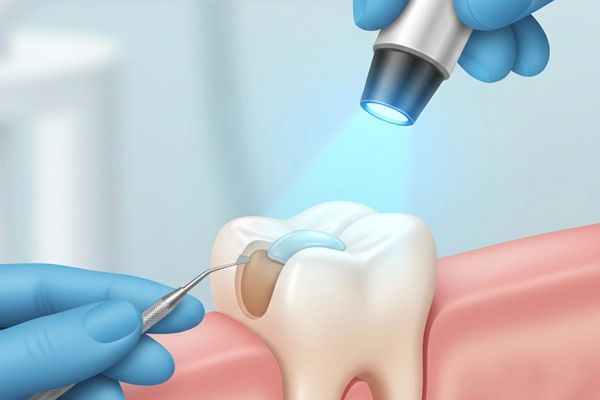
If you have a decayed tooth in need of repair, a dental inlay is one of several restoration options available. Many people are not familiar with inlays and may confuse them with fillings. The confusion is understandable as both inlays and fillings restore a tooth that is damaged due to decay. However, each is appropriate for different situations.
When would you need an inlay rather than a filling?
Generally speaking, a filling is appropriate for treating minor cavities. Because a dental inlay requires the removal of more tooth material, it is more appropriate for treating more extensive decay. Dental inlays are also stronger than regular fillings, so they may be more appropriate for treating the molars in the back of the mouth. The molars bear most of the responsibility for chewing food and are therefore subjected to high pressure.
However, there are other factors that go into determining whether you need a filling or a dental inlay. An inlay is only an option if there is sufficient tooth material remaining to support it. For example, if the cavity affects the center of the chewing surface, an inlay may be appropriate. On the other hand, if the damage affects the cusps of the tooth, you may require a filling or another restoration option.
What are some important differences between a filling and a dental inlay?
There are several differences between an inlay and a filling. Here are a few of the most significant.
Durability
Inlays are more durable than fillings. Consequently, they make your teeth stronger as a result. According to Colgate, inlays make your teeth 75% stronger than they were prior to treatment. By contrast, a filling can actually weaken your teeth, especially if it is very large.
Because inlays are more durable than fillings, they tend to last longer as well. Inlays can last up to 30 years and have a lower failure rate than fillings.
Materials
Part of the reason that dental inlays are stronger than fillings is because of the materials that each is made out of. Dental fillings are made out of either a composite acrylic resin or a metal amalgam. Inlays are made out of stronger materials, such as gold or porcelain.
Appearance
A filling made out of a composite resin resembles a tooth's natural appearance. However, an inlay made of porcelain looks even more natural. Nevertheless, this only applies to materials designed specifically to mimic the appearance of the tooth. Inlays and fillings made of metal do not look natural under any circumstances.
Procedure
The procedure to place a filling can be completed in a single visit. The dentist removes the decayed tooth material and fills the remaining hole in the tooth with the composite or amalgam, shaping it to fill in the space completely. A dental inlay typically has to be fashioned in a lab, so once the decayed material is removed, an impression is taken of the tooth and sent to the lab to craft an inlay that fits exactly. A temporary inlay is placed in the interim, and once the permanent inlay comes back from the lab, a second appointment is required to cement it in place.
Conclusion
A dental inlay is different from a filling, but both are used to restore teeth with decay.
Request an appointment here: https://www.drkarolineasbell.com or call Karoline Asbell, DDS at (561) 225-2063 for an appointment in our Boca Raton office.
Check out what others are saying about our services on Yelp: Dental Fillings in Boca Raton, FL.
Related Posts
Composite fillings are among the most commonly used materials for restoring teeth affected by cavities or minor damage. These dental fillings repair damaged teeth and restore their function and appearance. While there are several types of fillings besides composite ones, patients may be unsure which one is right for them. Fortunately, a dentist can help.Composite…
Many people want to spot problems early so cavity treatment can stay simple, comfortable, and affordable. Tooth decay starts when mouth bacteria feed on sugars and make acids that soften the hard enamel layer. Over time, those acids can erode enamel and reach into the softer tooth layers beneath. Acting early prevents long-lasting tooth pain…
Cavity treatment is an important part of dental care. Cavities, also known as dental caries, occur when tooth enamel is damaged by plaque buildup and acidic attacks from harmful bacteria. Proper cavity treatment preserves the structure of the affected tooth and prevents future complications that can occur due to untreated tooth decay.Cavities form due to…
A dental filling will not last forever, but it can last for over 20 years when properly maintained. Factors like how well the patient takes care of their teeth and the materials that make up the filling often determine how durable any repairs will be.Fillings are materials used to seal the holes created by tooth…