How a Family Dentist Uses Dental Bonding
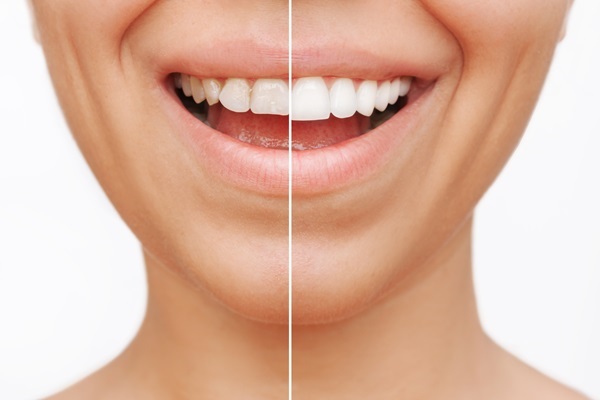
If you have damaged teeth, you can use a process called dental bonding to fix them. This is a quick, easy, and cheap way to repair your damaged teeth. Your family dentist can perform the procedure and reinvigorate your smile!
Who needs dental bonding?
Anyone suffering from minor cosmetic damage is a candidate, including people whose teeth are chipped, cracked, or misshapen. Minor decay and discoloration are fixable with it, as well.
If tooth damage is more severe and the tooth's structural integrity is an issue, then this is probably not a viable solution. If you are unsure whether this is an option for you, you should talk with your dentist about your concerns.
What are the pros and cons of the procedure?
The most obvious benefit is that the cosmetic damage to your teeth will be fixed. You will be able to smile with confidence without worrying about gaps or cracks. Another benefit is the ease of the procedure. It takes just one quick trip to the dentist! You also most likely do not need to undergo anesthesia; therefore, your judgment will not be impaired, and you can even drive yourself home afterward.
One issue is their integrity. They will eventually break and need to be replaced, and they are not likely to last more than ten years. However, you can take care of them with proper oral hygiene and not eat ice or hard foods. This will allow them to last longer.
How does the procedure work?
It is important to educate yourself on how the dental bonding procedure works. First, your dentist will determine the exact shade of your teeth so that the bonding resin matches them. Then, the dentist will prepare your teeth for the resin and mold the resin onto them in the desired shape. The resin will act as part of your teeth. Therefore, it can be used to reshape or cover your teeth and fill in gaps and cracks. After this, your dentist will use UV light to harden it. Lastly, they will polish the resin to remove imperfections and to make it match your teeth better.
How to care for your teeth afterward
For 48 hours after your appointment, it is a good idea to avoid coffee or other liquids that might stain them. It is also recommended to minimize coffee and smoking long-term, as they can also become stained over time. You should avoid chewing on ice and hard items or foods, as the bondings are not as durable as your natural teeth. This means you might have to try to break some habits, such as chewing on pencils or your fingernails. Regular dental care is just as important as before; you should brush your teeth and floss regularly to prevent bacterial build-up and plaque formation. You should continue with regular dental check-ups, as well. It is advisable to see a dentist for a cleaning every six months. If you follow these guidelines, your new dental appliances should last a long time!
Request an appointment here: https://www.drkarolineasbell.com or call Karoline Asbell, DDS at (561) 225-2063 for an appointment in our Boca Raton office.
Check out what others are saying about our dental services on Yelp: Dental Bonding in Boca Raton, FL.
Related Posts
Minor chips, cracks, and gaps in the smile do not have to be permanent. Dental bonding is a quick yet durable way to repair teeth with these cosmetic imperfections. With natural-looking results and minimal preparation, bonding can support oral health and restore the smile to its prior radiance.Dental bonding is a cosmetic procedure in which…
Dental bonding is an alternative to veneers and other cosmetic options to address imperfections in the teeth. It can also be used to address minor functional issues, such as small cracks or chips in the teeth. Once dental bonding is complete, you'll need to take care of your new smile so it lasts. Fortunately, caring…
Smile imperfections can dampen the way you see yourself. Fortunately, there are various to improve or correct them. One of the most common is dental bonding. This smile restorative can enhance smiles and their function in as little as one appointment.Dental bonding is a cosmetic procedure that uses tooth-colored composite resin to form the shape…
Dental bonding uses composite resin materials to correct cosmetic imperfections in your smile. Whether you have a chip or want to close a gap, this service can help restore a complete, well-functioning smile. With proper care, dental bonding can last up to ten or as little as three years. Consider these tips to help you…