How Dental Bonding Can Strengthen Your Teeth
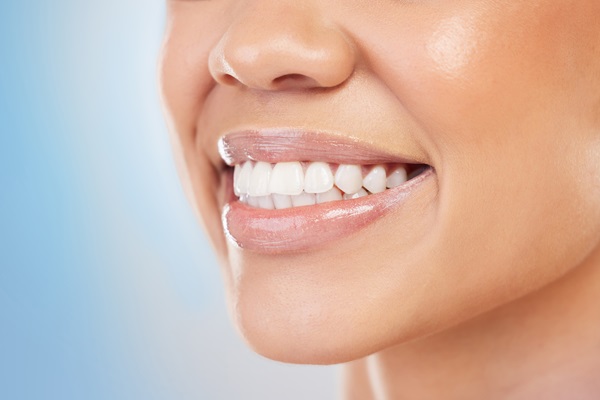
Many patients have dental bonding procedures for cosmetic reasons. However, the treatment is also sometimes used to strengthen teeth that are chipped, cracked, decayed, or have exposed roots.
Dental bonding
Dental bonding is done with a composite resin that a dentist has color-matched to the natural teeth. The dentist roughens the tooth surface and then applies a conditioning liquid before applying the composite resin material to the surface of one or more teeth. The dentist completes the process by shaping or molding the tooth and then hardening the material with ultraviolet light. The dentist may do more shaping after the material has hardened to achieve the desired appearance.
Uses for dental bonding
Dental bonding can be used to treat several conditions:
- Chipped teeth
- Discolored teeth
- Spaces between teeth
- Misshapen teeth
- Teeth that appear undesirably short
- Alternative to amalgam fillings
- Protection for exposed tooth roots
Benefits of dental bonding
Dental bonding procedures can usually be completed in one visit. The procedure requires less enamel to be removed from the teeth than alternative procedures, such as veneers and crowns. When used to fill cavities, it strengthens the tooth while also providing a more natural appearance than metallic fillings.
Risks of dental bonding
The resin used in dental bonding procedures is not as strong as healthy natural teeth or the materials used to manufacture other restorations, such as veneers, crowns, and fillings. It may chip or break. Patients can reduce these risks with proper care. Dentists often mitigate the risk of damage by reserving the treatment for teeth that experience low bite pressure.
Care for bonded teeth
The material used for dental bonding can stain. Avoiding substances that are prone to causing stains, such as coffee, tea, wine, and cigarette smoke, can reduce the risk of stains occurring. An oral care routine that includes twice-daily brushing, flossing once per day, and regular dental visits can extend the life of dental bonding.
Additionally, patients are advised to avoid chewing on hard objects, such as ice, pens, fingernails, nuts, and hard candy. Wearing a mouthguard when playing sports can protect against impact damage. A nightguard can prevent damage from teeth grinding during sleep. Rinsing with water after eating acidic foods can also be protective.
Lifespan of dental bonding materials
Most bonding materials need to be replaced or touched up after three to 10 years. However, the length of time depends on how well the patient cares for their teeth and the extent of the bonding that was done.
Conclusion
Dental bonding is a useful dental treatment for simple repairs of damaged teeth in parts of the mouth that experience low bite pressure. Due to the chance that the material could chip or break, the procedure is recommended for patients who are willing to take measures to protect their dental work from stains and other types of damage. Patients who are unwilling or unable to modify their lifestyle to protect the dental work may want to consider alternative treatments.
Request an appointment here: https://www.drkarolineasbell.com or call Karoline Asbell, DDS at (561) 225-2063 for an appointment in our Boca Raton office.
Check out what others are saying about our dental services on Yelp: Dental Bonding in Boca Raton, FL.
Related Posts
Dental bonding is an alternative to veneers and other cosmetic options to address imperfections in the teeth. It can also be used to address minor functional issues, such as small cracks or chips in the teeth. Once dental bonding is complete, you'll need to take care of your new smile so it lasts. Fortunately, caring…
Smile imperfections can dampen the way you see yourself. Fortunately, there are various to improve or correct them. One of the most common is dental bonding. This smile restorative can enhance smiles and their function in as little as one appointment.Dental bonding is a cosmetic procedure that uses tooth-colored composite resin to form the shape…
Dental bonding uses composite resin materials to correct cosmetic imperfections in your smile. Whether you have a chip or want to close a gap, this service can help restore a complete, well-functioning smile. With proper care, dental bonding can last up to ten or as little as three years. Consider these tips to help you…
Dental bonding can be an effective treatment option if you have chipped, cracked, or discolored teeth. It offers a minimally invasive approach to helping you achieve a brighter, more confident smile. However, before you pursue dental bonding to transform your teeth, there are a few things you should know.Dental bonding, also known as composite bonding…