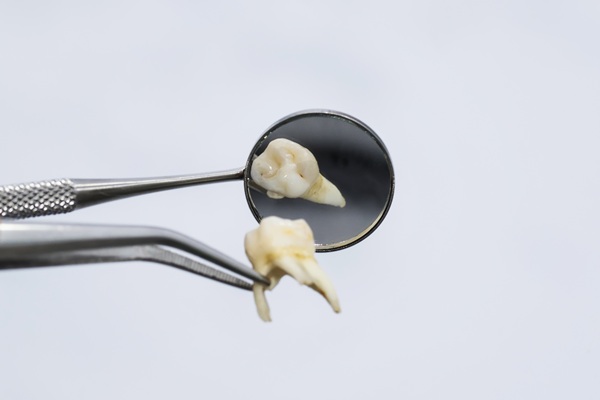
Tooth Extraction Guide: What Happens During and After the Procedure
may become necessary when a tooth no longer functions or contributes to oral health. A general dentist uses a range of tools and techniques to safely remove the tooth while protecting nearby structures. They may recommend extractions for reasons such as dental trauma, crowding, severe decay, or infection that has reached the tooth's root. Whether part of a long-term treatment plan or a one-time emergency procedure, understanding what happens before, during, and after extraction helps reduce uncertainty and supports better treatment outcomes.
When tooth extraction becomes necessary
Dentists perform a tooth extraction only when preservation is no longer a viable option. Common reasons include:
- Severe tooth damage that extends below the gumline
- Extensive decay that compromises the structural integrity of the tooth
- An infection that has reached the pulp and is not treatable with root canal therapy
- Advanced gum disease that causes loosened teeth or bone loss
- Orthodontic preparation for patients with overcrowding or impacted teeth
In some cases, the dentist will need to remove the wisdom teeth due to impaction, infection risk, or difficulty cleaning. Of course, evaluating X-rays and reviewing a patient's dental history allows the dentist to determine whether a tooth extraction is the most appropriate solution.
Initial steps and patient preparation
Before proceeding with any tooth extraction, the dentist conducts a comprehensive examination. This includes reviewing the patient's medical history, taking digital imaging, and assessing the complexity of the case. Patients must discuss any conditions, such as heart disease, immune disorders, or blood thinners. These factors may influence the type of anesthesia or require coordination with the patient's primary physician.
For simple tooth extractions, local anesthesia and a topical numbing agent are typically sufficient. On the other hand, patients may also receive instructions to avoid eating beforehand, especially if sedation is necessary for surgical extractions. Pre-operative guidance may include oral hygiene tips and recommendations on what to wear and bring to the appointment. Proper preparation reduces risk and sets the stage for smoother recovery.
What happens during the tooth extraction procedure?
As mentioned, there are two types of tooth extractions: simple and surgical. The dentist will determine which is necessary by assessing whether the tooth is visible or impacted. A simple extraction involves loosening the tooth with a dental elevator and removing it with forceps. This approach typically applies to teeth above the gumline.
Surgical extractions, on the other hand, are more complex. These may involve creating a small incision in the gum, removing bone around the tooth, or segmenting the tooth into pieces for easier removal. This extraction is common for broken, impacted, or malformed teeth.
Throughout both types of tooth extractions, the dentist works carefully to avoid damaging adjacent teeth or soft tissue. They keep the area clean and apply pressure to control bleeding. After removal, the dentist closes the site with dissolvable or traditional sutures.
What to expect after tooth extraction
Immediate aftercare focuses on blood clot formation and protecting the site from infection or irritation. The dentist will ask patients to bite on gauze to encourage clotting, but patients can manage swelling with a cold compress upon returning home. Dentists typically recommend over-the-counter (OTC) pain relief or prescribe medication based on the level of discomfort.
Eating soft foods, avoiding straws, and refraining from smoking are key steps in the first 24 to 48 hours. These habits help protect the blood clot and reduce the risk of dry socket, a painful condition in which the clot becomes dislodged. Oral hygiene should continue with gentle brushing around the area.
Recovery time varies for each patient, depending on the complexity of the extraction and the patient's healing ability. Simple cases often heal within one week, while surgical extractions may require two weeks or longer. Regardless, follow-up appointments allow the dentist to monitor healing and remove any non-dissolvable sutures if necessary.
How dentists support long-term health after tooth extraction
After a tooth extraction, the dentist evaluates the need for replacement options, as missing teeth can affect chewing, speech, and jaw alignment. Gaps left behind may lead to shifting teeth or bone loss over time.
The dentist may recommend:
- Dental implants for a long-lasting, natural-feeling replacement
- A dental bridge to restore function and appearance across short spans
- Partial dentures act as a removable and cost-effective alternative
Each replacement option has benefits depending on the patient's age, oral health, and preferences. The dentist helps determine the most effective approach for each patient to restore full function while preventing complications.
Schedule a consultation
A tooth extraction does not need to feel overwhelming. With proper guidance, careful technique, and structured aftercare, most patients experience smooth healing and improved comfort. If you have a problem tooth that may benefit from extraction, contact us to schedule a consultation.
Request an appointment here: https://www.drkarolineasbell.com or call Karoline Asbell, DDS at (561) 225-2063 for an appointment in our Boca Raton office.
Check out what others are saying about our dental services on Yelp: .
Related Posts
Tooth extractions are a last resort but can become a possibility if the damage is too great.While tooth extraction is not our first option for treating infected teeth, it may become necessary in certain situations. Regardless, we will numb the area around the tooth so you will not feel any pain.Tooth ExtractionAt Karoline Asbell, DDS…
Preparing for a wisdom tooth extraction? The procedure often sparks fear in patients because it does involve pulling teeth. However, it is important to know that modern-day technology has allowed for the evolution of better techniques, which reduce pain and recovery time. Nonetheless, it is still important to be familiar with the recovery time and…
A wisdom tooth extraction is often necessary in order to eliminate accompanying symptoms. Many individuals experience the eruption of their wisdom teeth and never notice the signs. However, there are also a lot of cases in which the wisdom teeth present noticeable symptoms that can be used to identify eruption. Teenagers and young adults should…
If you need to schedule a wisdom teeth extraction, you likely have numerous questions about the procedure and what it entails. We encourage you to schedule a consultation with us to go over the details in person.In the meantime, here is an FAQ with questions that we hear on a regular basis.Most people have a…